
Autism and Leucovorin: An Evidence-Based Guide for Parents


If you're navigating the complexities of autism parenting, you've likely spent countless hours researching therapies, supplements, and interventions that might unlock your child's potential. Among the emerging treatments gaining attention in autism communities is leucovorin (folinic acid)—a medical-grade folate supplement that some clinicians and researchers believe may support certain children on the spectrum.
This comprehensive guide provides parents with scientifically grounded, balanced information about leucovorin therapy for autism, helping you make informed decisions about whether this intervention might be appropriate for your child.
Understanding Leucovorin: The Basics Parents Should Know
Leucovorin, also called folinic acid, is a reduced form of folate—a critical B vitamin that plays foundational roles in brain development, cellular function, and neurological health. Unlike the folic acid found in prenatal vitamins and fortified foods, leucovorin requires fewer metabolic conversion steps, making it more readily available for the body to use.
How Leucovorin Differs From Standard Folic Acid
While folic acid must undergo multiple enzymatic conversions before the body can utilize it, leucovorin is already in a bioactive form. This distinction becomes particularly important when considering children who may have metabolic challenges or transport issues affecting folate availability in the brain.
Established medical uses of leucovorin include:
Cancer treatment protocols (particularly as a "rescue" therapy after high-dose methotrexate)
Treatment of folate deficiency conditions
Management of certain genetic metabolic disorders
Support for cerebral folate deficiency syndrome
The medication has a well-established safety profile in pediatric populations when used appropriately under medical supervision.
The Critical Role of Folate in Brain Development and Function
Folate isn't just another vitamin—it's a fundamental building block for healthy neurological development and ongoing brain function. Understanding why folate matters helps explain why researchers have investigated its potential role in autism intervention.
Key Functions of Folate in the Developing Brain
Neurotransmitter synthesis: Folate supports the production of serotonin, dopamine, and other chemical messengers essential for mood regulation, attention, and cognitive function.
DNA and RNA synthesis: Rapidly developing brain tissue requires folate for proper cell division and genetic material production.
Methylation processes: This biochemical process, heavily dependent on folate, influences gene expression, neurotransmitter metabolism, and detoxification pathways.
Myelin formation: Folate contributes to the protective coating around nerve fibers that enables efficient neural communication.
Homocysteine metabolism: Proper folate levels help regulate homocysteine, an amino acid that can be neurotoxic at elevated levels.
When folate cannot reach brain tissue in adequate amounts—regardless of dietary intake—these critical processes may be compromised, potentially contributing to developmental challenges.
The Folate Receptor Antibody Discovery: A Game-Changer in Autism Research
One of the most significant developments linking folate metabolism to autism involves the discovery of folate receptor alpha autoantibodies (FRAA) in a subset of children on the spectrum.
What Are Folate Receptor Autoantibodies?
Folate receptor alpha autoantibodies are immune proteins that some children produce, which interfere with the transport of folate across the blood-brain barrier. This creates a paradoxical situation where blood tests may show normal or even elevated folate levels, yet the brain remains functionally deficient.
Research has identified that children with autism show higher rates of these antibodies compared to neurotypical peers. When these antibodies bind to folate receptors, they block the specialized transport system responsible for delivering folate into cerebrospinal fluid and brain tissue.
The Cerebral Folate Deficiency Connection
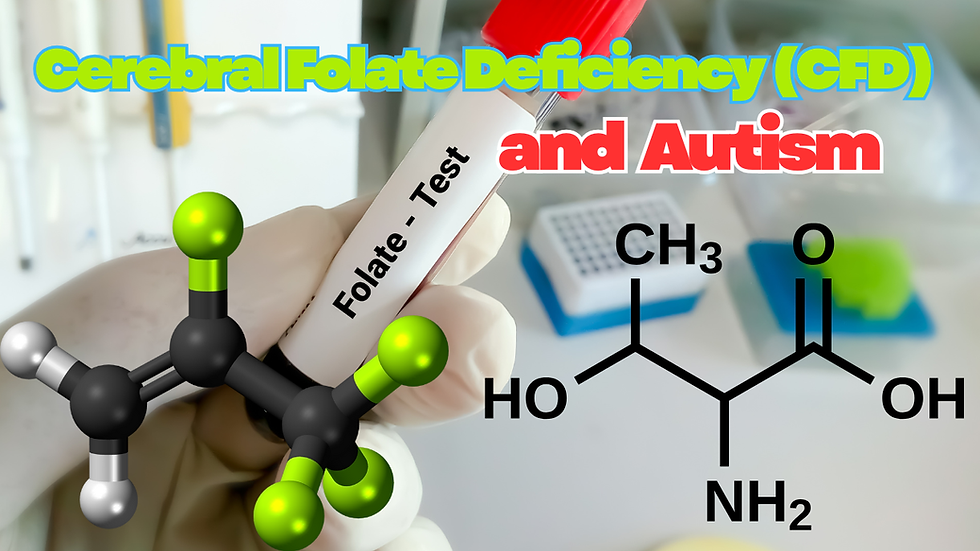
This antibody-mediated transport blockage can result in cerebral folate deficiency (CFD)—a condition where the central nervous system lacks adequate folate despite normal systemic levels. CFD has been associated with developmental regression, language impairment, and other features that overlap with autism presentations.
Leucovorin's potential therapeutic value lies in its ability to bypass these blocked receptors through alternative transport mechanisms, potentially restoring adequate folate levels in the brain.
Clinical Applications: How Leucovorin Is Used in Autism Care
Leucovorin is not a universal autism treatment, nor is it FDA-approved specifically for autism spectrum disorder. However, a growing body of research and clinical experience suggests it may offer meaningful benefits for carefully selected children.
What the Research Shows
Several published studies have investigated leucovorin in children with autism, particularly those with folate receptor autoantibodies. While research remains ongoing, findings have included improvements in:
Communication and language skills: Some children show enhanced verbal expression, receptive language, and conversation abilities over several months of treatment.
Social engagement: Parents and clinicians have reported increased eye contact, social interest, and reciprocal interaction in responsive children.
Attention and focus: Improvements in sustained attention, task completion, and reduced distractibility have been observed.
Cognitive flexibility: Some children demonstrate enhanced ability to shift between activities and adapt to changes.
Behavioral regulation: Reductions in irritability, repetitive behaviors, and emotional dysregulation have been documented in some cases.
Realistic Expectations: What Leucovorin Can and Cannot Do
It's crucial to understand that leucovorin is not a cure for autism. When benefits occur, they typically emerge gradually over weeks to months rather than producing dramatic overnight changes. Many children show subtle improvements, while others may not respond at all.
The treatment appears most effective as part of a comprehensive intervention approach that includes behavioral therapies, educational support, and other appropriate interventions.
Identifying Candidates: Which Children May Benefit Most?
Not every child with autism is likely to benefit from leucovorin therapy. Current evidence suggests specific subgroups may be more responsive.
Clinical Indicators Suggesting Potential Benefit
Positive folate receptor autoantibody testing: Children who test positive for FRAA represent the most clearly identified candidate group based on current research.
Language regression or significant delays: Children with pronounced difficulties in expressive or receptive language, particularly if regression occurred, may warrant consideration.
Low cerebrospinal fluid folate levels: When measurable (though this requires lumbar puncture), low CSF folate provides direct evidence of cerebral deficiency.
Inadequate response to standard interventions: Some clinicians consider leucovorin for children who haven't responded optimally to established therapies.
Family history of autoimmune conditions: Given the autoimmune component of folate receptor antibodies, family history may be relevant.
The Importance of Biomarker Testing
Before considering leucovorin therapy, appropriate testing can help identify children most likely to respond. This may include:
Folate receptor autoantibody testing (blocking and binding antibodies)
Serum and red blood cell folate levels
Homocysteine levels
Methylmalonic acid (to assess B12 status)
Comprehensive metabolic panel
Working with a knowledgeable physician who understands both autism and metabolic medicine is essential for proper evaluation and monitoring.
Making the Decision: Questions to Discuss With Your Healthcare Provider
Before starting leucovorin therapy, consider having these conversations with your child's doctor:
Has my child been tested for folate receptor autoantibodies, and what were the results?
What specific improvements might realistically be expected in my child's case?
How long should we trial the therapy before determining if it's beneficial?
What monitoring will be needed during treatment?
How does this fit with my child's other therapies and interventions?
What are the costs, and is testing or treatment covered by insurance?
Are there any contraindications based on my child's medical history or current medications?
The Broader Context: Leucovorin as Part of Comprehensive Care
No single intervention addresses all aspects of autism. The most effective approach typically combines evidence-based behavioral therapies, educational support, appropriate medical care, family support, and when indicated, targeted biomedical interventions like leucovorin.
Leucovorin should be viewed as one potential tool in a comprehensive toolkit rather than a standalone solution.
Moving Forward: Is Leucovorin Right for Your Child?
The decision to pursue leucovorin therapy is highly individual and should be made collaboratively with qualified healthcare providers who know your child's unique profile. While not appropriate or effective for every child with autism, leucovorin represents a scientifically plausible intervention for those with documented folate transport issues.
If you're considering this option, seek providers experienced in both autism care and metabolic medicine, request appropriate biomarker testing before treatment, maintain realistic expectations about potential outcomes, continue all proven therapies your child is already receiving, and monitor carefully for both benefits and any adverse effects.
The Importance of Continued Research
Our understanding of folate metabolism in autism continues to evolve. Ongoing research may help identify which children are most likely to benefit, refine treatment protocols, and clarify the mechanisms by which leucovorin exerts its effects.
By staying informed and working closely with knowledgeable practitioners, you can make evidence-based decisions that serve your child's best interests while contributing to the broader understanding of autism interventions.
Medical Disclaimer: This article is for informational purposes only and does not constitute medical advice. Always consult qualified healthcare professionals before starting any new treatment for your child. Individual responses to leucovorin vary, and what works for one child may not work for another.

Comments